Industrial Automation & Electrical Solutions
- Hyderabad, Vijayawad
- info@sreecemtechnologies.com
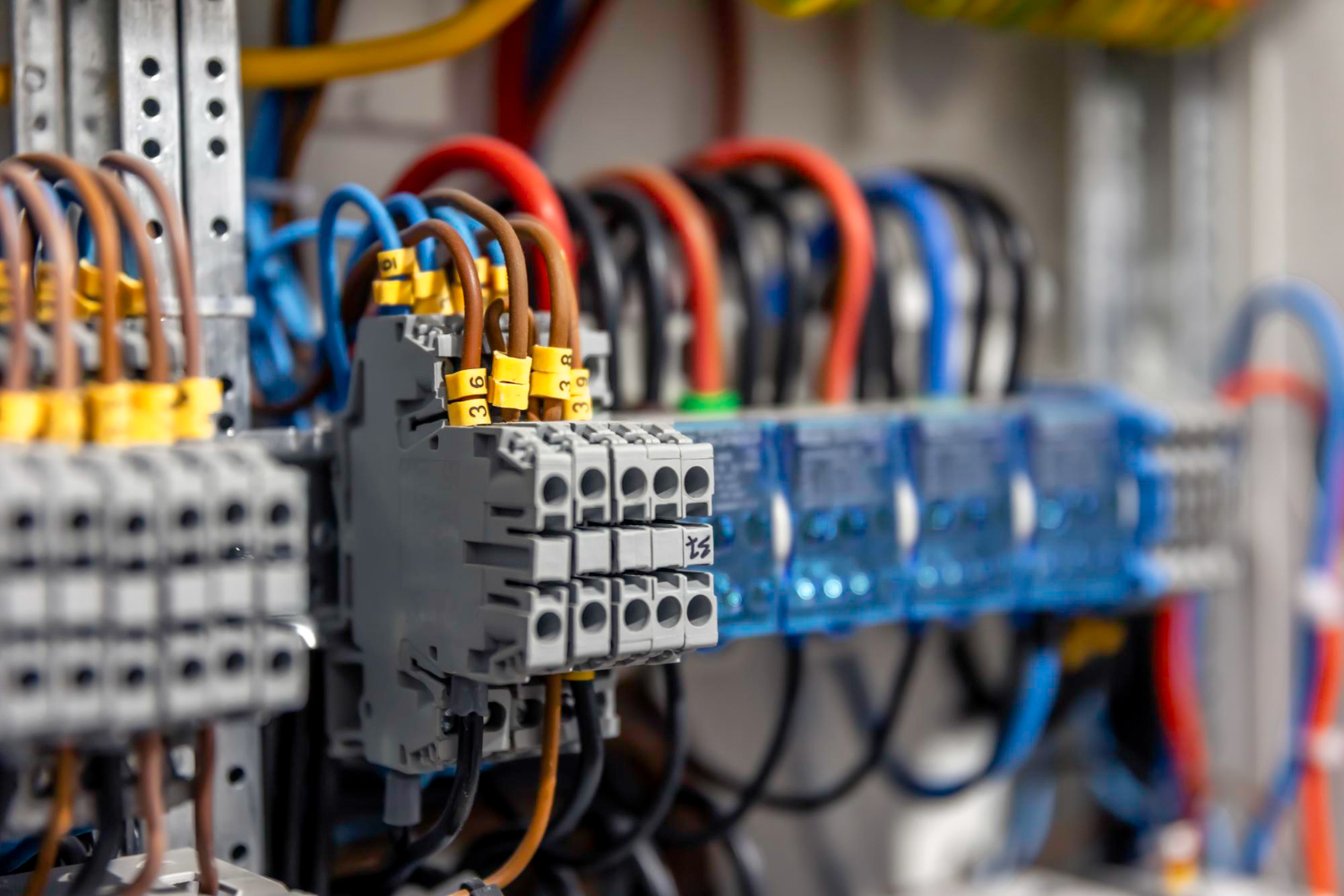
We provide professional PLC Programming & Integration solutions for industrial automation applications, enabling reliable control, monitoring and coordinated
operation of machines, equipment and industrial processes. Our solutions integrate PLC control with field devices, control panels, drives, HMI, SCADA and other automation systems to create efficient and responsive control environments.
PLC programming involves developing and configuring programmable logic controllers to execute the required control logic for industrial processes and equipment. Our approach
focuses on developing structured control logic based on process requirements, equipment operation and the overall automation architecture.
PLC systems can be integrated with HMI, SCADA, MCC panels, AC/DC drives, instrumentation, sensors, actuators and industrial communication networks to provide coordinated control and real-time operational monitoring.
The PLC programming process begins with understanding the process sequence, equipment requirements, I/O requirements and control philosophy. Based on these requirements,
control logic and system architecture are developed and integrated with the associated electrical and automation equipment.
The PLC system is then configured to communicate with connected field devices, drives, HMI, SCADA and other control equipment, providing coordinated operation and centralized monitoring of the industrial process.
PLC selection, processor capacity, I/O configuration, communication interfaces, control logic, HMI/SCADA integration, drive interfaces and networking requirements are determined according to the specific application and approved system design.
Application-specific PLC programming and integration specifications can be prepared based on the required process, equipment, I/O requirements and control architecture.